Norwegian-Russian Fisheries Agreement for 2026: "Noteworthy," says researcher
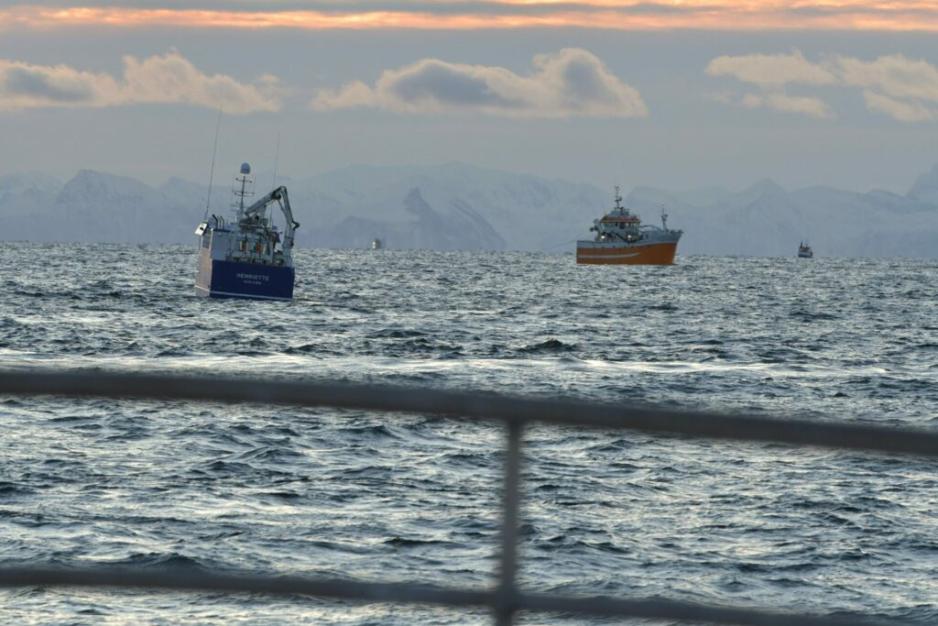
The Norwegian fisheries fleet at work at sea. The total quotas for a.o. the Northeast Arctic cod in the Barents Sea in 2026 have now been determined. (Photo: Jan-Erik Indrestrand / Fhe Norwegian Fishermen's Association).
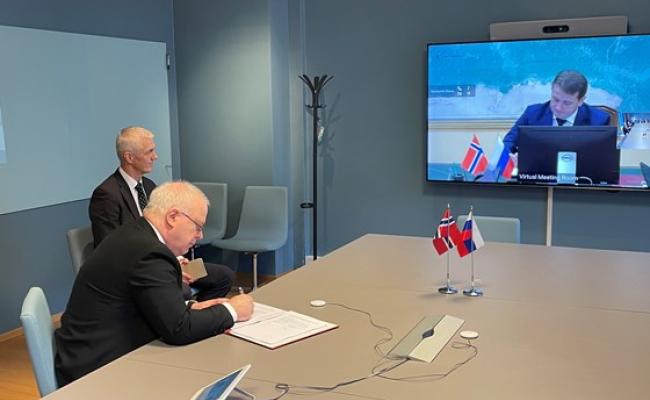
Despite the demanding backdrop, Norway and Russia reached a fisheries agreement for 2026 this week. FNI Researcher Geir Hønneland underscores that this year's agreement shows how vital the fisheries agreement is to Russia. The Norwegian Fishermen's Association's leader, Jan Roger Lerbukt, says the agreement continues to further stability.


On Thursday, Norway and Russia reached a fisheries agreement for 2026. With that, the total quotas for the important fish stocks in the Barents Sea are finally ready for the fisheries industry, in which many will soon embark on the winter fisheries for skrei (northeast Arctic cod).
As with the past years, the quota for the important cod in the Barents Sea has been further reduced. The quota was reduced by 25 percent from 2024 to 2025. Next year, there will be a further reduction of 16 percent.
This entails that the 2026 cod quota is the lowest it's been since 1991. However, the Norwegian Ministry of Trade, Industry and Fisheries reports that after several years of substantial quota cuts, the foundation has been laid for an increase in the stock, which will allow for somewhat higher quotas further on.
The Norwegian-Russian fisheries cooperation in short
- The stocks of Northeast Arctic cod, Northeast Arctic haddock, capelin, Greenland halibut, and beaked redfish in the Barents Sea are managed as joint stocks by Norway and Russia.
- The Joint Norwegian-Russian Fisheries Commission negotiates annually to determine and allocate total quotas between Norway, Russia, and third countries.
- The Commission also agrees on mutual fishing in each other's zones and to exchange quotas for both joint stocks and national stocks.
From: Regjeringen.no
"Contributes to furthering stability"
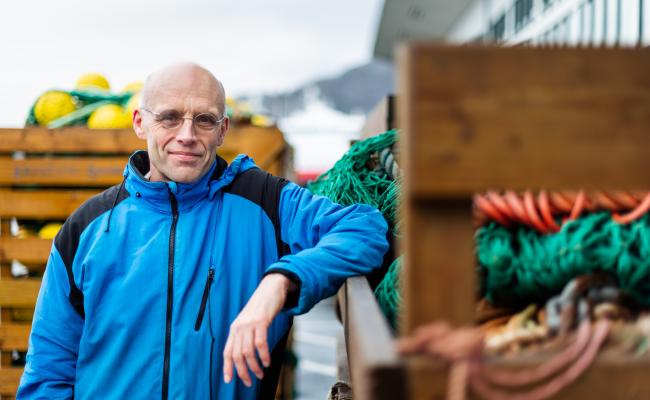
"It is very important and positive that we now have an agreement on the management of fisheries resources in our joint ocean areas for 2026 as well," says the leader of the Norwegian Fishermen's Association, Jan Roger Lerbukt, in a statement on Friday.
"We are very pleased with this year's agreement continuing to further stability in quota allocation of the fisheries resources in the Norwegian Sea and the Barents Sea between Norway, Russia, and third countries, and believe this is a vital prerequisite for sustainable management in these ocean areas," he adds.

"The quota levels are roughly in line with what we could expect," says the leader of the Norwegian Fishermen's Association, Jan Roger Lerbukt. (Photo: Jan-Erik Indrestrand / the Norwegian Fishermen's Association).
Quota levels as expected
The association leader also notes that the quota levels (see species at the bottom of the article) are roughly in line with expectations.
"For cod, we hope 2026 will mark the lowest point and that the stock will develop positively. For haddock, there is a welcome quota increase, while the quotas for Greenland halibut and beaked redfish remain stable. It was also expected that there would be no capelin fisheries next year."
However, the Norwegian Fishermen's Association notes that the reduced quotas for cod in particular mean that many shipping companies and fishermen must expect a demanding year with a reduced operating base and long periods without operations next year.
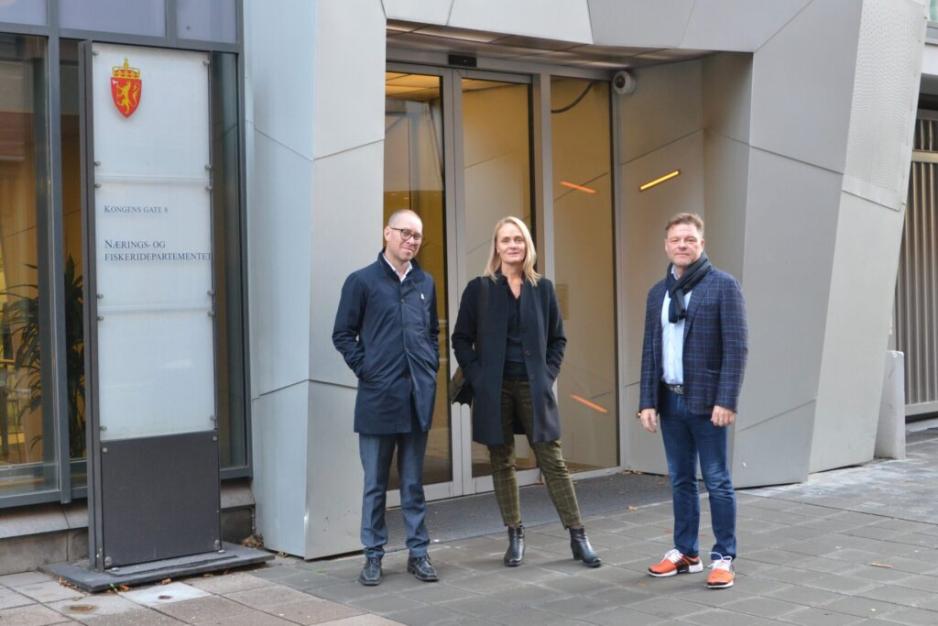
These three have represented the Norwegian Fishermen's Association in the negotiations; Secretary General Sverre Johansen, Technical Director Synnøve Liabø and Chairman Jan Roger Lerbukt. (Photo: Jan-Erik Indrestrand / Norwegian Fishermen's Association).
Demanding backdrop
The Fisherman's Association leader describes this year's negotiations as demanding and thanks the Norwegian negotiating leadership in the Norwegian Ministry of Trade, Industry and Fisheries for an excellent job in ensuring a sound fisheries agreement for 2026.
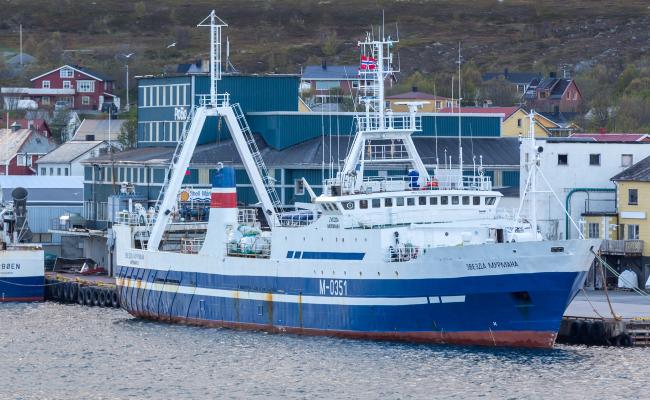
As previously reported, the agreement came into place with a demanding security policy backdrop. In July, Norway joined the EU's sanctions and listed two Russian fishing companies. This means that vessels from the two companies lost access to Norwegian ports and territorial waters, and that they will not receive renewed fishing licenses in the Norwegian economic zone.
"The listing of two Russian fishing companies has influenced the talks, but I am pleased that despite this, we have reached an agreement that will contribute to the sustainable management of the important fisheries resources in the North,” said Norwegian Minister of Fisheries and Ocean Policy Marianne Sivertsen Næss in a statement after the fisheries agreement was reached.
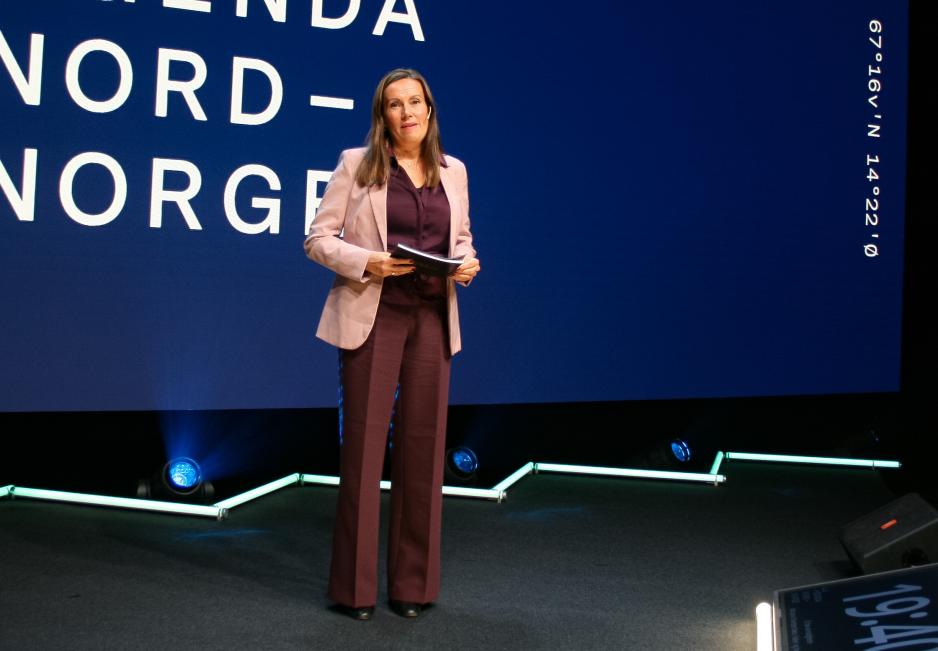
"The agreement is particularly important at a time when we have had a significant reduction in the cod quota over several years. We have now set a cod quota for 2026 at a level that contributes to rebuilding the stock," says Norwegian Minister of Fisheries and the Oceans Marianne Sivertsen Næss (Labour Party). (Photo: Trine Jonassen).
"Noteworthy"
"The most important thing is that Russia has actually agreed to a quota agreement with Norway even though Norway has not reversed its decision to list vessels from the two Russian shipping companies," says Senior Researcher Geir Hønneland at the Fridtjof Nansen Institute to High North News about the agreement.
"It is noteworthy in light of the fact that Russia earlier this fall threatened to take unilateral management measures in the Barents Sea if Norway did not withdraw the listing," he adds.
He says this shows how important the fisheries agreement with Norway is for Russia because it gives Russian vessels access to the western parts of the Barents Sea, where the fish are largest and most easily accessible.
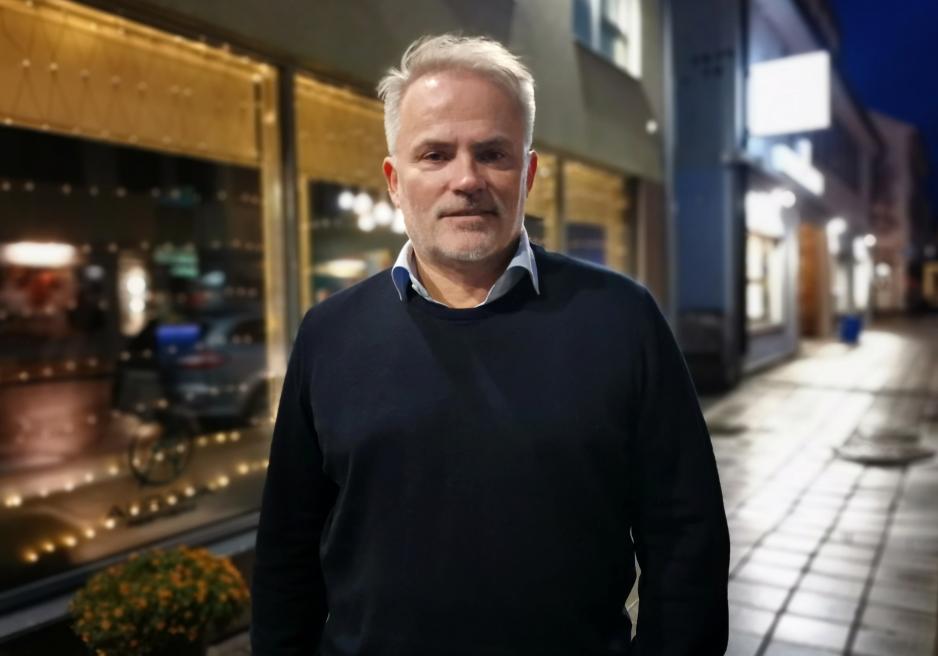
Geir Hønneland is a senior researcher at the Fridtjof Nansen Institute and a professor II at the High North Center, Nord University. He is one of Norway's leading researchers on Norwegian-Russian fisheries cooperation. (Photo: Astri Edvardsen).
"The question now is how Russia will distribute its quota share internally, but that is not Norway's business, and it also does not affect the resource base exactly which vessels take the fish. Perhaps they will arrange things internally in Russia so that this will not be such a big problem for them," the senior researcher continues.
Uncertainty about participation in working groups
Hønneland also points out that Russia, however, declares that it is suspending its participation in working groups under the Norwegian-Russian Fisheries Commission.
"This is disturbing, but it is currently unclear whether this will apply to all working groups under the commission. It is very important for the future administration that research cooperation is not disrupted."
Research collaboration
Regarding further research cooperation, the Norwegian Fishermen's Association writes that the organization is very satisfied that the agreement involves a joint Norwegian-Russian research program for 2026.
The Norwegian Sea and the Barents Sea are one of the world's most productive marine areas, and research collaboration is an essential prerequisite for sustainable management in the years to come, the Norwegian Fishermen's Association emphasizes.
"Russian scientists were suspended from the International Council for the Exploration of the Sea (ICES) in 2022, and after the suspension from ICES, Russia has decided to withdraw from the ICES cooperation. Since 2022, the Norwegian Institute of Marine Research and the Russian research institute VNIRO have established a bilateral working group that has followed internationally recognized methodology and frameworks for stock assessment and advice for shared stocks, it further states.
"We would therefore also like to give positive feedback for the extensive and demanding work that Norwegian and Russian researchers have put in to achieve an alternative quota advisory as the matter stands," says Technical Director Synnøve Liabø .
Briefly about the quotas for next year
- The total quota for Northeast Arctic cod for 2026 is set at 285,000 tonnes. Norway's share of the quota will be 139,827 tonnes.
- The total quota for haddock is set at 153,293 tonnes for 2026, an increase of 18 percent compared to the current year. Norway’s share will be 76,345 tonnes.
- The Greenland halibut quota for 2026 is set at 19,000 tonnes, the same as this year. Norway’s share will be 9,675 tonnes.
- The quota for beaked redfish is set at 69,177 tonnes for 2026, a small increase of 3% compared to this year. Norway’s share will be 47,807 tonnes.
- As in 2025, there will be no capelin fishery in 2026.