Surprising Perceptions of Climate in the Canadian Arctic
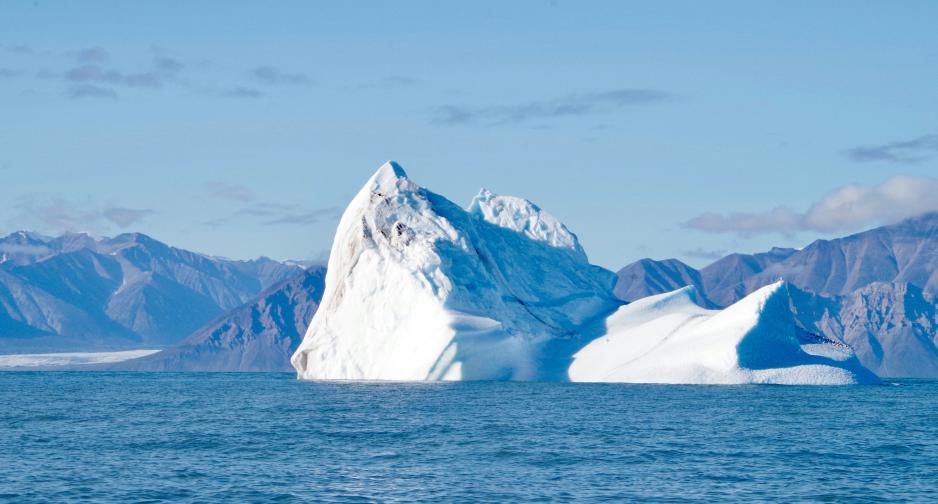
A significant portion of surveyed Arctic Canadians report climate denial. (Photo of an ice berg with Bylot Island in Nunavut in the background by Isaac Demeester on Unsplash)
A significant proportion of surveyed Canadian Arctic residents believe climate change was either caused by natural changes or that the scientific evidence about climate change was not sufficient.

This year, the North American and Arctic Defence and Security Network (NAADSN) surveyed 609 Canadian Arctic residents from the Yukon, Northwest Territories, and Nunavut.
The aim was to investigate their perceptions of climate change in the Canadian Arctic.

Dr. Mathieu Landriault, Network Coordinator at NAADSN.
The Arctic is warming at a rate 2-3 times faster than the rest of the planet. Climate changes such as melting ice, warmer oceans, and ecosystem disruption can be felt at a higher rate in the High North, which is why "the region should be the last place where climate denial finds support," writes Mathieu Landriault at the NAADSN.
Yet, the survey reveals that a significant portion of the polled residents do not believe that climate change is mostly caused by human activities.
The survey asked the question "Which of the following statements comes closer to your point of view?" and presented them with three choices of answers:
- Climate change is mostly caused by human activities.
- Climate change is mostly caused by natural changes and cycles.
- The cause of climate change is unclear.
A clear majority (59%) selected the first option, which recognizes that climate change is human-made. However, a significant proportion of the respondents (38%) were of the opinion that either climate change was caused by natural changes or that the scientific evidence about climate change was insufficient.
Compared to the rest of Canada
Landriualt writes that it is difficult to compare with the rest of the country due to differences in wording and choices of answers in other surveys, but that the best comparison shows that Northerners are less likely to believe in the scientific consensus.
Overall, 64% believed climate change to be caused by human activities, while 32% perceived climate change to be caused by natural changes or had unclear causes.
Landriault adds that it is important to conduct such surveys to understand who is likely to believe in different disinformation messages and the success of specific disinformation campaigns.
"The typical profile of believers will vary, as not all disinformation is popular with the same demographic. Efforts to rectify these views can then pinpoint who to target, on what platforms, and with what types of messages. It is particularly pressing in Canada’s North as the consequences of climate inaction are already deeply felt," he concludes.