Historic Defense Agreement between Norway and the UK
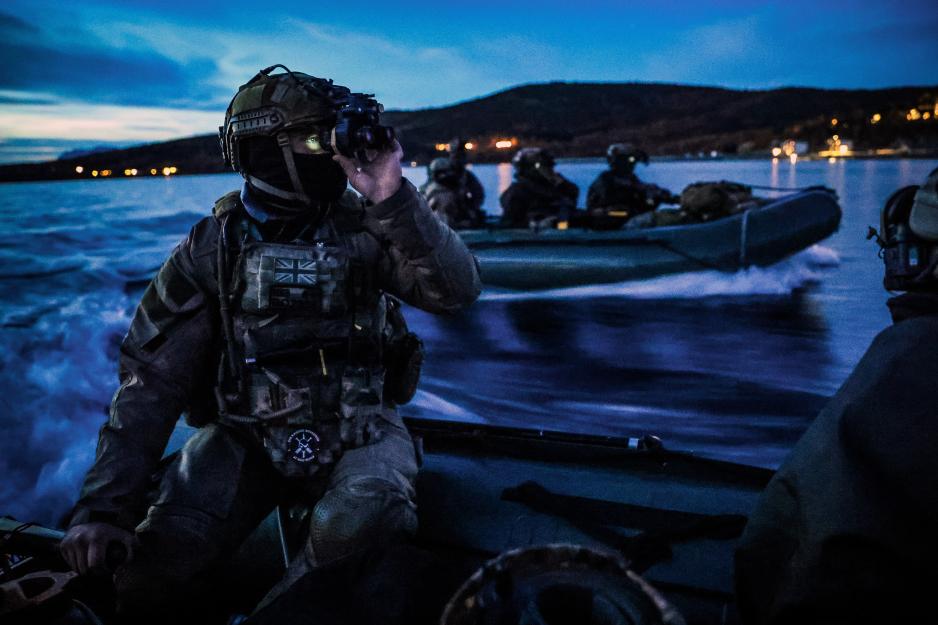
British Royal Marines train in Northern Norway during Exercise TARASSIS, which is part of the coalition's Joint Expeditionary Force (JEF). (Photo: Finn Stainer-Hutchins © Crown copyright 2025)
Norway and the UK have signed an extensive defense agreement. One of the central points in the agreement involves British forces having a greater role in the defense of Norway.


Norway and the UK have entered into their most extensive defense cooperation agreement in recent times.
The new and comprehensive agreement is titled "Lunna House" after the house that the Shetland bus, a clandestine special operations group, used as their headquarters during the Second World War.
"The aim is for Norway and the UK to be even closely connected militarily to strengthen NATO's northern flank and presence in the North Atlantic. It will provide increased security for Norway, the UK and our allies in uncertain times," says Norwegian Prime Minister Jonas Gahr Støre (Labor) in a press release.
The cooperation between the two countries includes closer integration of Norwegian and British forces, cooperation on the purchase and operation of new frigates, rapid reinforcement of Norway in times of crisis and war, and joint drone projects in the High North.
A bigger role
A key point of the agreement involves British forces having a greater role in the defense of Norway.
British Royal Marines will have a greater degree of presence. By extension, Norway and the UK will consider the possibility of pre-storing British defense equipment and ammunition on Norwegian soil.
The two countries will also consider the need to establish facilities to receive British forces in Norway.
"Royal Marines have a long tradition of practicing winter operations with naval and amphibious forces in Inner Troms, Northern Norway. In the future, they will train in Norway during the other seasons as well. By being more present in Norway, the Royal Marines will be more closely integrated into the defense of Norway, and they will be able to come to our aid quickly if a crisis or war situation should arise," says Norway's Minister of Defense, Tore O. Sandvik.
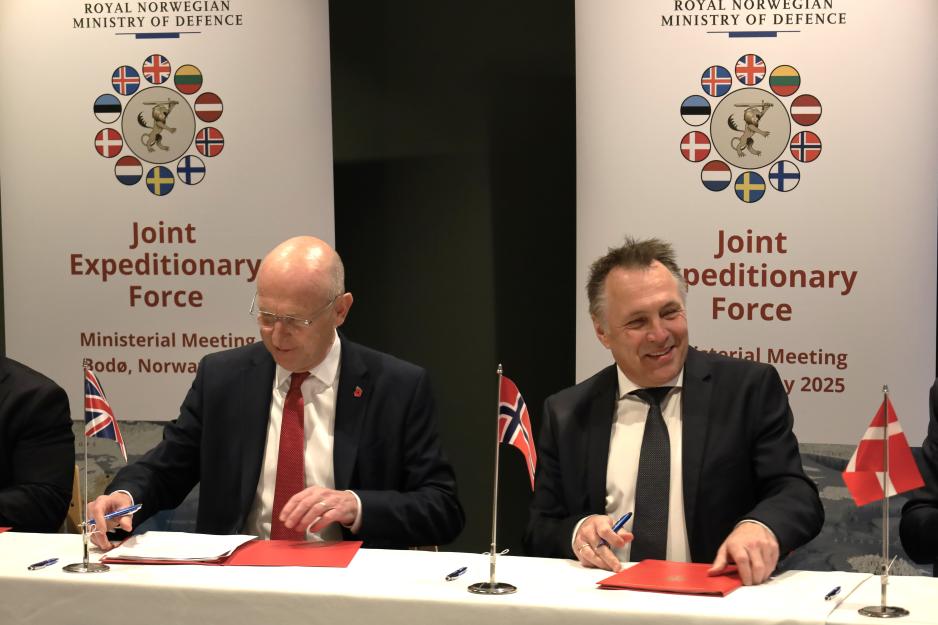
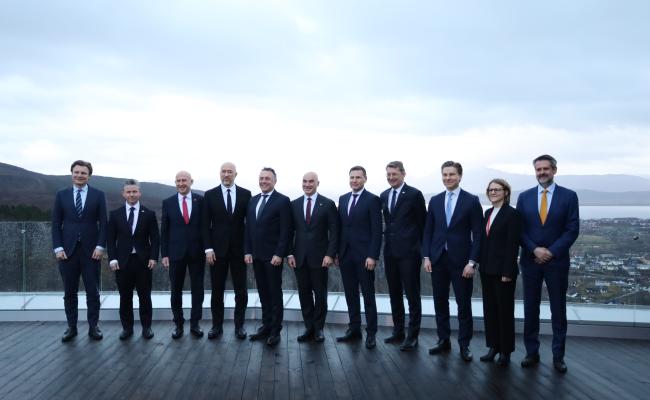
UK Secretary of State for Defense, John Healey, and the Norwegian Defense Minister, Tore O. Sandvik. Here from a ministerial meeting of the British-led coalition Joint Expeditionary Force in Bodø, Northern Norway, in November. (Photo: Hilde Bye / High North News).
Strengthen joint defense ability in the North
Another central area of cooperation that is highlighted is about developing and utilizing advanced autonomous systems and drones to operate side by side with other vessels and patrol ocean areas in the North.
Among other things, the two countries will use experiences from the Maritime Capability Coalition, which aims to support the Ukrainian Navy, in developing and acquiring low-cost drones to be used for monitoring activity in the North Atlantic and the High North.
"Russian military activity in the North Atlantic and the Barents Sea has increased. We are monitoring and tracking their movements, together with the UK. We know Russia has capacities that could pose a strategic threat against Western infrastructure on the seabed. Therefore, we want to continue further developing our surveillance capacities in the North and follow the development with a vigilant eye," says Sandvik.
Closer ties between the Norwegian and the British navies
The press release states that Norway and the UK are also joining forces to build up joint capabilities for anti-submarine operations in the North Atlantic and the High North. The background is that both countries will acquire frigates that are as identical as possible.
"We are attempting to have closer ties between the Norwegian Navy and the British Royal Navy than ever before. One of the goals is to develop a combined Norwegian-British frigate fleet to operate seamlessly together. This involves sharing vessels, crews, and technology, among other things. In addition, the Norwegian and British navies will sail and train even more together in our common areas," concludes Sandvik.
"Lunna House"
- The new and far-reaching agreement has been named "Lunna House" after the house that the Shetland bus, a clandestine special operations group, used as its headquarters during the Second World War.
- From the base in Shetland, the Shetland bus participated in the Norwegian resistance and carried out operations into occupied Norway.
- The organization was mainly led by the British Special Operations Executive (SOE) in close cooperation with the Norwegian authorities and the Norwegian Navy.
- The Lunna House agreement was signed by Minister of Defense Sandvik and British Secretary of State for Defense John Healey when the two met in London this week.
- The agreement will be signed on the same day that Norwegian Prime Minister Jonas Gahr Støre meets British Prime Minister Keir Starmer for political talks and a celebration of the close bilateral relationship.
Source: Regjeringen.no