Fisheries Negotiations Between Norway and Russia Has Started
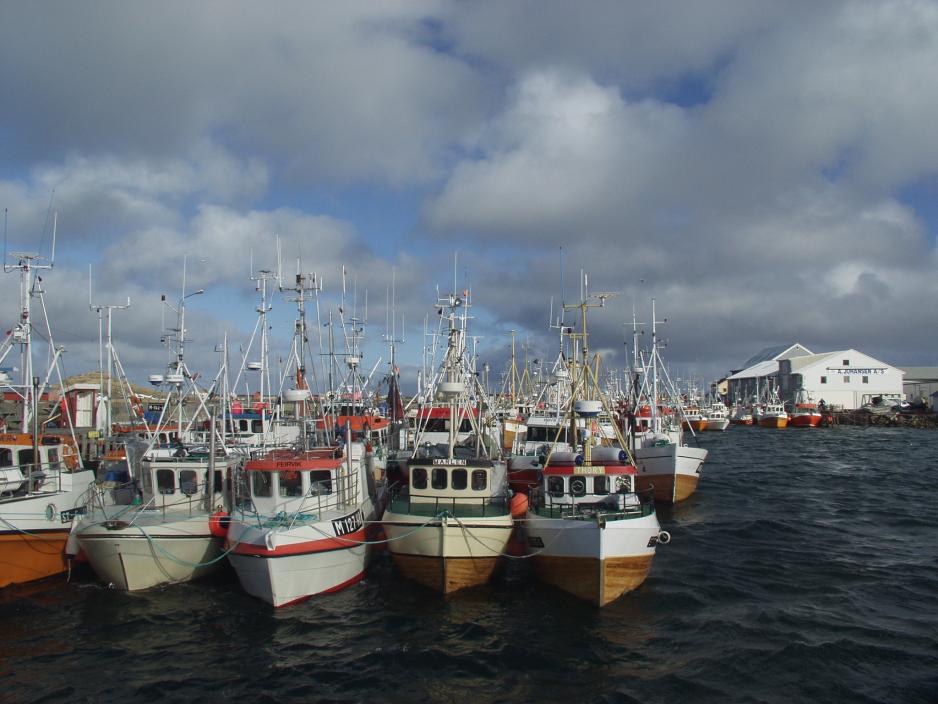
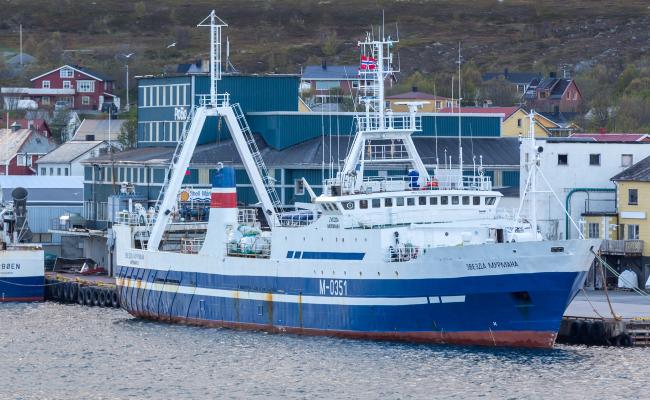
Fishing boats dock in Lofoten. The fisheries negotiations between Norway and Russia normally take place during the month of October each year. (Photo: Redningsselskapet/Flickr).
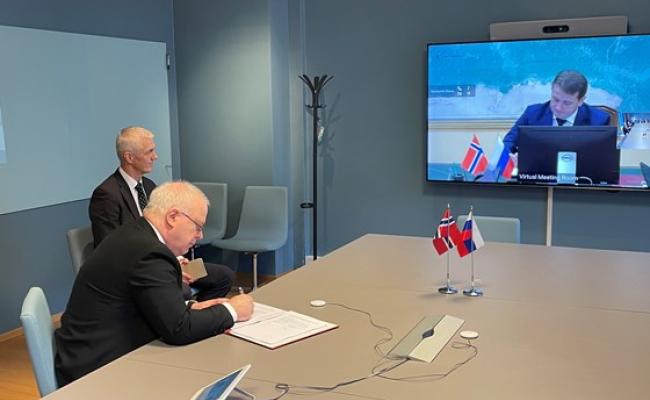
This week, the Norwegian-Russian Fisheries Commission will meet for digital fisheries negotiations for the important stocks in the Barents Sea. This year's process regarding the negotiations has been more demanding than in the past.

The annual fisheries negotiations between Norway and Russia started late this year, but are underway this Monday.
This is the 56th session of the Joint Norwegian-Russian Fisheries Commission, which each year sets quotas for Northeast Arctic cod, Northeast Arctic haddock, capelin, Greenland halibut and redfish in the Barents Sea.
"More demanding"
Fisheries negotiations between Norway and Russia normally take place during the month of October each year.
After much uncertainty and several extraordinary meetings, the parties agreed in November on a date for the talks.
The Norwegian Minister of Fisheries and the Ocean Policy, Marianne Sivertsen Næss (Labour Party), has previously emphasized that this year's process surrounding the fisheries negotiations has been more demanding than previous years.
The background for this is, among other things, related to the listing of two Russian fishing companies.
"We naturally have different opinions when assessing this in the context of the fisheries agreement and the cooperation on both mutual access to fishing in each other's economic zones, research, and quota setting," stated Næss in a previous interview with HNN.
At the same time, both parties have emphasized the importance of fisheries cooperation, the minister noted.
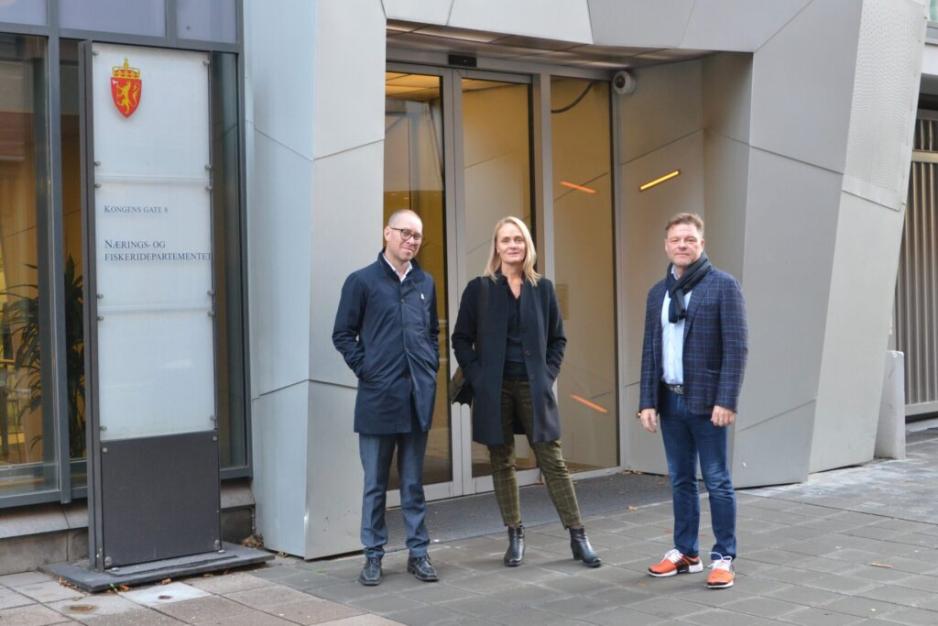
Representatives from the Norwegian Fishermen's Association in the negotiations with Russia; Secretary General Sverre Johansen, Technical Director Synnøve Liabø and Chairman Jan Roger Lerbukt. (Photo: Jan-Erik Indrestrand / Norwegian Fishermen's Association).
Collaboration over many years
The negotiations between Norway and Russia are being held digitally and are, from the Norwegian side, led by Secretary General Mette I. Wikborg at the Ministry of Trade, Industry and Fisheries.
The Norwegian delegation includes representatives from the civil service in the Ministry of Trade, Industry and Fisheries and the Ministry of Foreign Affairs, the Directorate of Fisheries, researchers from the Institute of Marine Research, and from organizations such as the Norwegian Fishermen's Association. The latter is the largest professional association of fishermen in Norway.
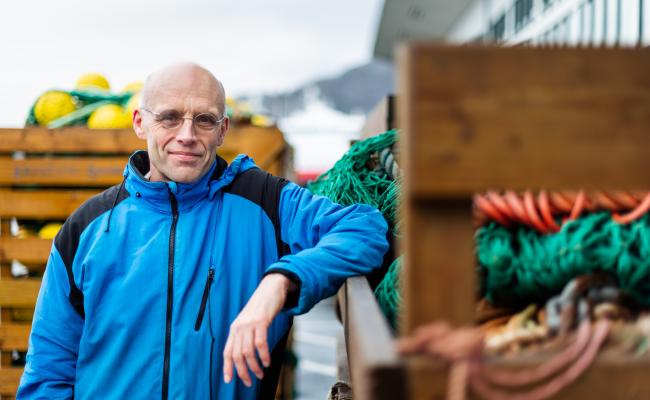
Newly elected leader of the Norwegian Fishermen's Association, Jan Roger Lerbukt, is participating and says that the association's main concern also in this year's negotiations is to point out that the common fishery resources are managed in the best possible way.
"There has been good cooperation between Norwegian and Russian fisheries authorities for many years, despite periods with demanding backdrops, such as now," says Lerbukt in a press release.
"We have confidence that the Norwegian authorities will handle the negotiations in a balanced manner and contribute to constructive solutions that can ensure that marine resources are managed jointly in the years to come."
Quota decline
As HNN has reported, the quota for the important cod in the Barents Sea has been reduced in the past years, and the 2025 quota was the lowest since 1991.
Ocean researchers are still worried about the cod stock's decline and are recommending yet another cod quota reduction for 2026.
The fisheries negotiations in short
- The Joint Norwegian–Russian Fisheries Commission has annual negotiations to determine and distribute quotas between Norway, Russia, and third countries.
- The commission also determines mutual fishing in each other's zones and exchanges quotas for both joint stocks and national stocks.
- The stocks of Northeast Arctic cod, Northeast Arctic haddock, capelin, Greenland halibut and redfish in the Barents Sea are managed as joint stocks by Norway and Russia.
- This requires cooperation that ensures rational resource management.
Source: Regjeringen.no