Op-ed: Sámi Culture and the Reindeer People of Tromsø
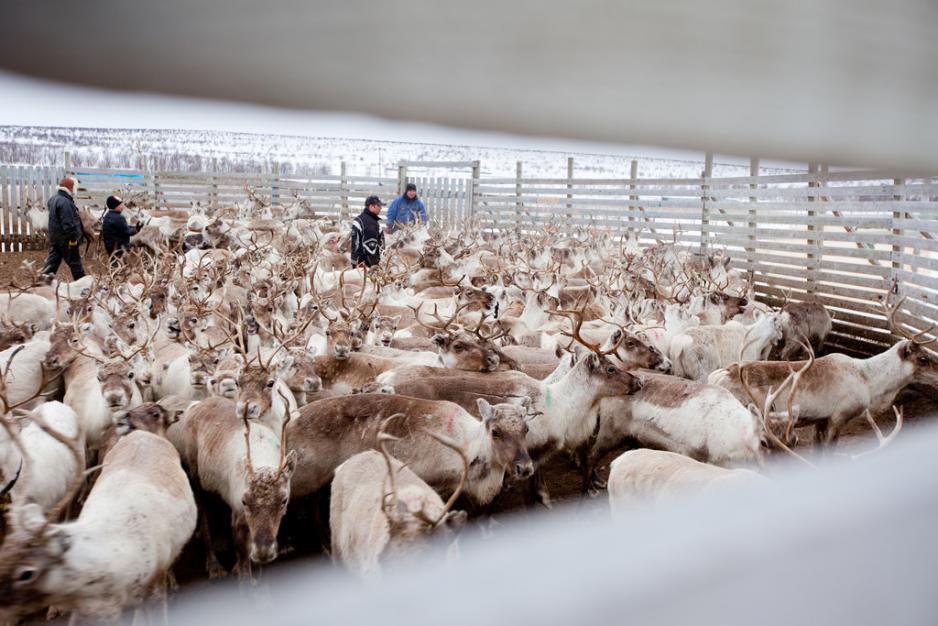
Reindeer herding near Kautokeino, Northern Norway. (Photo: GRID Arendal/Lawrence Hislop)

This is an op-ed written by an external contributor. All views expressed are the writer's own.
When you look at Tromsø on the map, it feels almost unreal a small city held together by bridges, fjords, and long stretches of darkness in winter. I visited Tromsø in December, right in the heart of Arctic winter. The sun never really comes up then; the days stay dim, blue, and quiet.
One of the main reasons I wanted to visit Tromsø was to experience Sámi culture. I had booked a reindeer sledding experience, but the weather didn’t cooperate. The temperature rose to around two or three degrees, and the snow began to melt.
Because of that, the sledding was cancelled. In a place like Tromsø, plans depend entirely on nature, and you learn quickly to accept that. Even without the sledding, the experience turned out to be deeply memorable.
As we stepped off the bus, Sámi hosts welcomed us and led us toward their traditional tent. It was large and open at the top. A fire burned steadily inside, providing instant warmth.
The open top suddenly made sense; it let the smoke escape while keeping the inside warm enough to sit comfortably, even in the cold. Before settling in, we were asked to help feed the reindeer.
I stayed alert the whole time
We put metal spikes on our shoes so we wouldn’t slip on the ice, picked up buckets, and walked into an open area where the reindeer were gathered. According to the Sámi team, there were nearly 300 of them. Some reindeer were calm and gentle, eating quietly.
Others were impatient and pushy, nudging forward to get closer to the food. I stayed alert the whole time. Their antlers are beautiful but intimidating up close. I got to know why some of them were pushy, while the sami meeting which I have written in the end.
After a while, the cold pushed me back into the tent. Inside, a Sámi couple, probably in their fifties were serving tea, coffee, and warm drinks. The water was heated over the fire, not with an electric kettle.
Soon after, the woman brought in large pots of soup: one reindeer soup and one tomato soup for vegetarians. She placed them carefully over the fire to keep warm. Everything was so simple, close to nature and thoughtful. The plates were already laid out next to the pots.
When I tasted the soup, it felt comforting in a very honest way fresh, homemade, and served with quiet care. At that point, the experience already felt complete. When everyone returned to the tent, a young Sámi woman began speaking about her culture.
She talked about how Sámi people were systematically colonised by the Norwegian government. Children were taken away and placed in hostels to separate them from their language and traditions.
Their bodies were measured, their intelligence questioned, and their way of life was deliberately suppressed. Despite this history, Sámi culture survived.
Also read (The text continues)
She explained that Sámi people live across Norway, Sweden, Finland, and parts of Russia, but their way of living remains connected and similar. They believe in gratitude toward nature, in staying close to animals, and in living simply.
Reindeer are central to their lives, and today only Sámi people have the legal right to herd them in Norway. Nothing goes to waste.
When a reindeer dies, every part is used: the skin for bedding, antlers for tools and handles (which I later noticed in some Norwegian homes and toilets), and other parts for decorative or functional items. It felt practical, respectful, and deeply rooted in balance with nature.
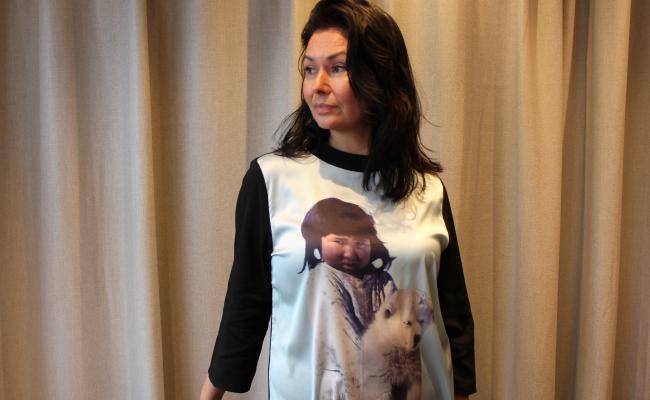
And some reindeer were pushy because they are pregnant. She also spoke about their traditional clothing, how it quietly communicates identity: whether someone is married or unmarried, male or female, and where they come from.
Today, Sámi culture is being supported and shared through tourism. Visitors can spend time with Sámi families, learn directly from them, eat their food, and buy handmade items. It isn’t about performance; it’s about presence.
I went to Tromsø expecting an activity. What I experienced instead was warmth from the fire, the food, and the people. Sámi culture didn’t ask to be admired or photographed endlessly. It simply invited us to sit, listen, and understand that resilience doesn’t always announce itself loudly.
Sometimes, it lives quietly in tents, stories, and shared meals.